

Fixed scope · Senior readout
A clear read of your Salesforce org
We inventory what is in your org, identify what is fragile, and put the work in priority order. Start with a free consultation. If a full systems review is the right next step, we scope it before any work begins.
What you get
Four deliverables, all in writing
What is actually in your org
Every automation, integration, custom object and permission set, inventoried rather than remembered. Most teams have not seen this written down before.
What is fragile, and what it costs
Automations fighting each other, silent failures, permission risk, integration debt. Ranked by blast radius rather than by who complains loudest.
A priority list you can act on
The work in order, with effort and impact stated plainly. Take it to us, to your own team, or to another firm.
The quick wins, separated out
The things worth fixing this month that need no project and no budget. Yours to implement immediately.
What we look at
Eight areas, every time
The same checklist on every org, so nothing depends on what we happen to think to look for.
The boundary
One production org, the eight areas below, and a readout. It does not include fixing what we find, and it is not a substitute for detailed design on a specific project. If you run several orgs we read the one that matters most and tell you what the others would likely need.
Org health and limits
Storage, API usage, governor headroom, and the structural decisions that quietly tax every future project.
Data quality
Duplicates, orphaned records, fields with three meanings, and the places where two teams disagree about what a record means.
The automation layer
Flows, and any legacy Process Builder or workflow rules still running underneath them. We find the ones fighting each other and the ones that stopped firing without telling anyone.
Apex and deployability
Custom code, test coverage, and whether you can actually deploy a change today or whether the pipeline is quietly frozen.
Integrations
What is connected, how each one fails, whether failures are visible, and what happens to the records that fall through.
Security and sharing
Profiles, permission sets, sharing rules and field-level access. Who can see what, and whether that still matches how the business is organised.
Licences and adoption
What you pay for against who actually logged in, which features are unused, and where the org has drifted away from how people work.
Reporting
Whether the numbers leadership relies on agree with the system, and which reports are duplicates of each other.
Who it is for
Teams running patients and cases, or leads and pipeline
We work with behavioral health providers, care navigation programs, and B2B SaaS teams. If your business runs on cases or pipeline and the org has grown past what anyone fully understands, the review gives the next decision a factual starting point.
Healthcare and behavioral health
We look hardest at the EHR handoff, duplicate patient records, admissions automation that fails quietly, census and reporting nobody trusts, and who can see which records. The failure modes here are specific and we have shipped against them in production.
B2B SaaS and revenue teams
We look hardest at lead routing and the leads nobody owns, duplicate and competing automation, attribution that disagrees with itself across HubSpot and Salesforce, and the reporting leadership has stopped believing.
The findings land in one of three places: patient and case operations, revenue operations, or the messaging layer around them. From there the work is usually an EHR integration, a revenue system, or case management and routing. You can also see everything we build or how ongoing ownership works.
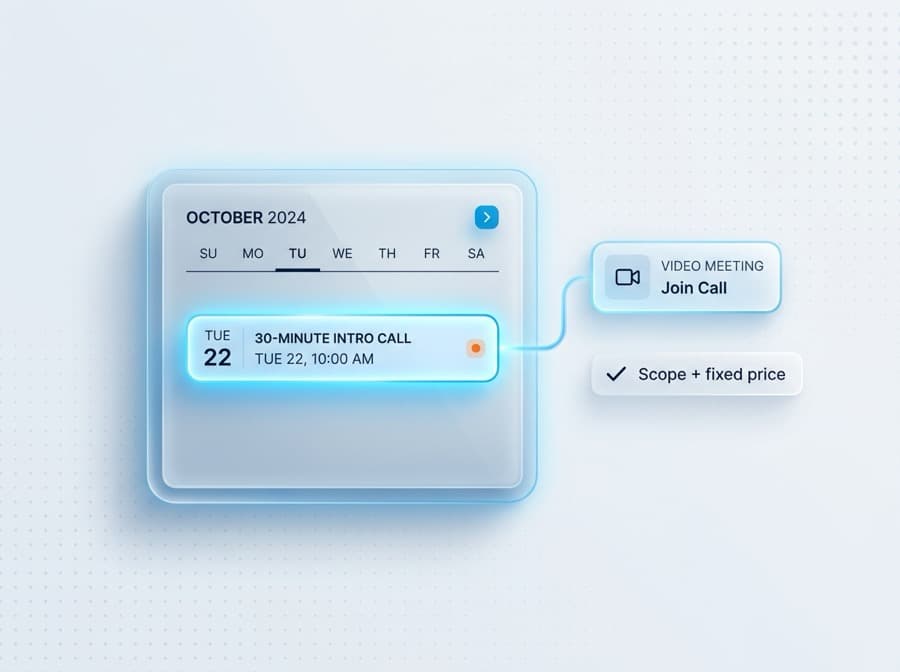
Step 1
Start with a free consultation
Thirty minutes to understand what your org runs, what you are worried about, and whether a systems review is the right next step. We do not request org access on this call.
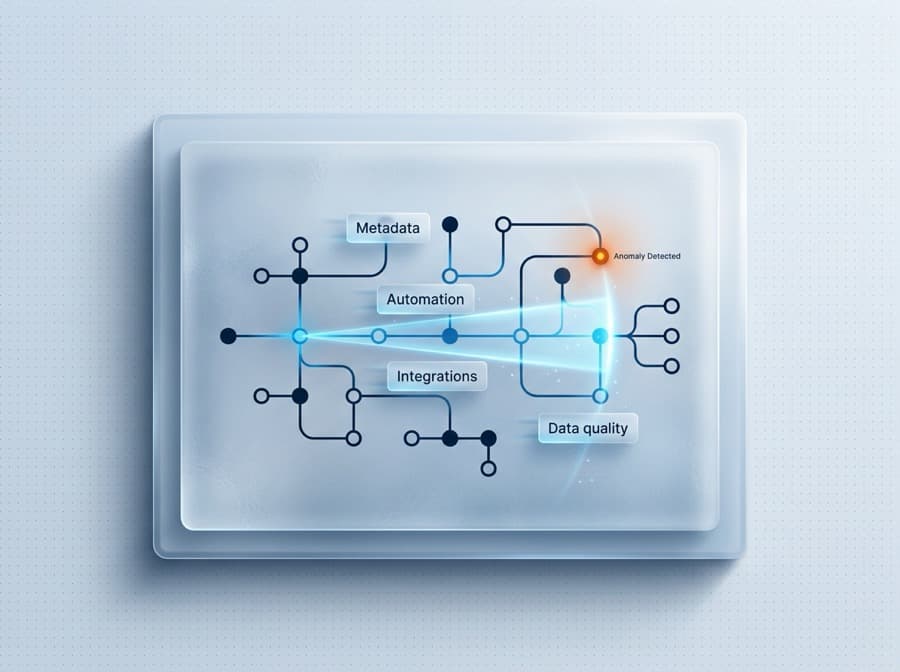
Step 2
Our tooling reads the org
We pull the full metadata picture automatically: objects, flows, code, permissions, integrations and usage. The part that takes other firms a fortnight of billable discovery is the part we automated.
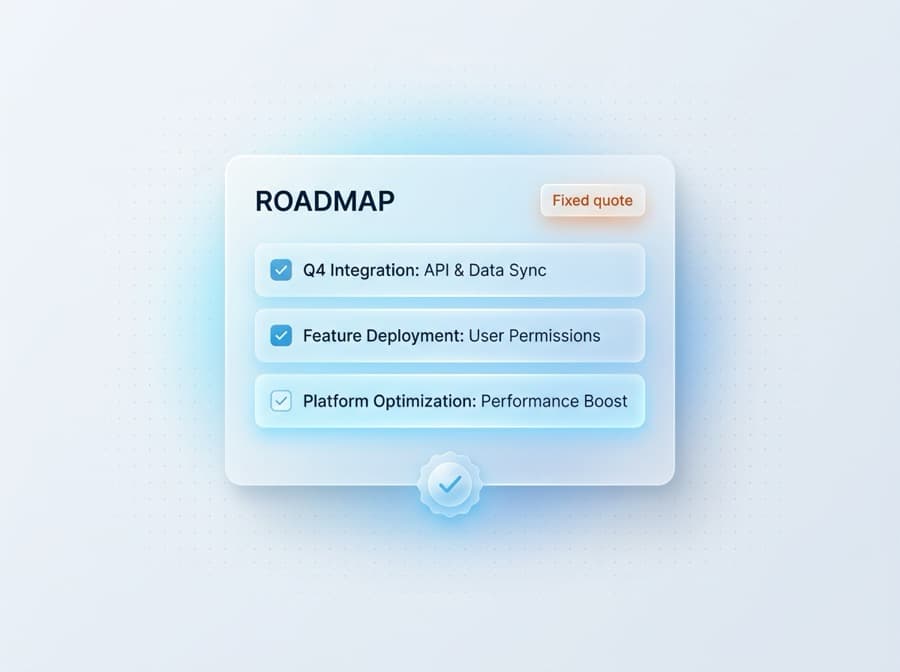
Step 3
A senior consultant reads the output
Tooling finds the facts. Judgement decides which of them matter to your business, and that part is not automated.
Tell us about your org
The consultation is free. Send us the basics and we come back with what the review would cover for your org, what it would cost, and whether it is worth doing at all. Sometimes the answer is that you do not need one.
- A reply within one business day, from the person who would do the work
- No obligation and no quote until we have seen the org
- Already know what you need? Say so in the note and skip the discovery
Request a Salesforce org review
By submitting, you agree that GAT Solutions may contact you about this request. We do not sell your information.
Before you book
What teams ask about the review
- How does the free consultation work?
- The first 30-minute call is free. We use it to understand what your org runs, what changed, and whether a systems review is the right next step. The consultation does not include org access, an automated inventory, written findings, or a roadmap. If the review fits, we scope and quote it before any work begins.
- What do we actually get at the end?
- A written findings document in plain language, a prioritized list of what to fix and in what order, and a separate list of quick wins your own team can ship without us. Then a live readout to walk through it. Everything is yours to act on with us, with your internal team, or with another firm entirely.
- What access do you need?
- Read access to a sandbox or production, your call, granted to a dedicated audit user you can deactivate the day we finish. We review metadata and configuration. We do not need your customer data to do this work, and everything we touch is logged.
- How long does it take, and what do you need from us?
- The consultation takes 30 minutes. The review typically runs about two weeks from access to readout. Beyond granting access and joining two short calls, we need very little from your team. No long workshop series and no generic discovery questionnaire.
- What is in scope, and what is not?
- In scope: one production org, and the eight areas listed on this page. Out of scope: fixing anything we find, a full data migration assessment, custom code review beyond deployability, and detailed design for a specific project. If you run several orgs we look at the one that matters most and tell you what the others would likely need.
- Our org is large and complicated. Does this still work?
- The tooling scales better than people do, so size is rarely the problem. Complexity across many orgs, clouds and stakeholder groups is a different matter. The consultation helps us decide whether one fixed-scope review is enough or whether the work needs a broader discovery phase. We will say so rather than guess.
- We already work with another Salesforce partner. Is this awkward?
- No, and it is common. An independent read is useful precisely because we are not the ones who built it. We will tell you what we find without editorialising about who did what, and you are free to hand the findings to your existing partner to action.
- We run patient data. Is that safe?
- We are a HIPAA-compliant organization, and audit work is done to HIPAA-compliant standards under a BAA when PHI is in scope. The audit works at the metadata and configuration level, not in your patient records.